Wood is beautiful. Wood is natural. Wood is alive! Or at least, it used to be, and it hasn't entirely forgotten.
This means that sometimes, wood does unexpected things. And one of the most dramatic unexpected things wood can do is something called case hardening: a condition that can turn a routine cut into a white-knuckle moment with very little warning.
So what is case hardening?
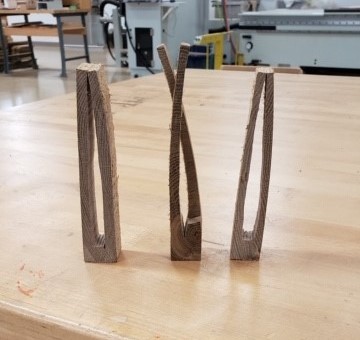
Case hardening happens during the drying process when the outside of a board dries faster than the inside. The outer layers (the "case") dry and shrink, but the wet interior resists. The result is a board locked in a kind of internal tug-of-war: the outside wants to be smaller, the inside wants to stay big, and the whole thing is under significant tension.
To the naked eye? It can look completely normal. Flat, smooth, ready to work. Nothing to see here.
Until you start cutting.
What happens when you cut case-hardened wood?
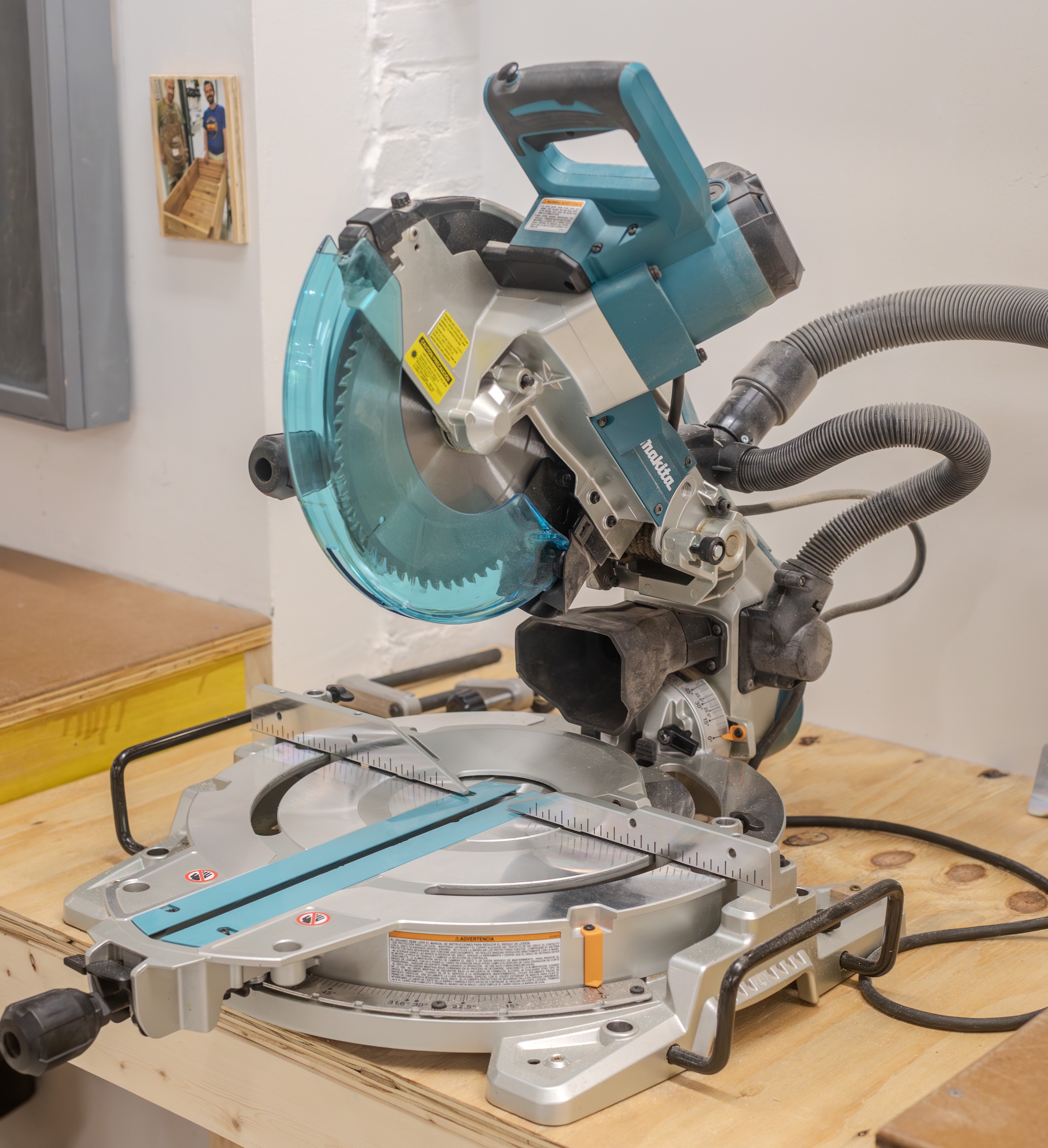
When a saw blade moves through a case-hardened board, it releases that internal tension suddenly and dramatically. The two sides of the cut can spring inward, pinching the blade. Or they can spring outward, throwing pieces. Either way, the wood is no longer doing what wood is supposed to do, which is sit there calmly while you cut it.
How do you know if your wood is case hardened?
It can be hard to tell in advance. A few clues:


What should you do if you suspect case hardening?
Stop. Ask for help. Don't just push through.
Case hardened wood isn't impossible to work with, but it requires adjusted technique, like potentially different blade choices, different feed rates, or different tools altogether. It is absolutely not a situation to troubleshoot on your own while already mid-cut.
The bigger lesson here.
Wood is a natural material, and natural materials don't always follow the rules. Knots, grain changes, trapped tension, moisture variation - these are features, not bugs, of working with real wood. The best thing we can do is stay humble, slow down when something feels off, and build safety margins into our process exactly because the unexpected can happen.
When we work safely, we're not just protecting ourselves from the things we can predict. We're protecting ourselves from the things we can't.
Want to learn more about reading wood before you cut it? Ask a shop staff member! And keep an eye out for upcoming skill-building sessions where we cover exactly this kind of thing.


Saratoga Joinery is a 501(c)(3) nonprofit organization and relies upon the support of the community to keep our blades spinning.